
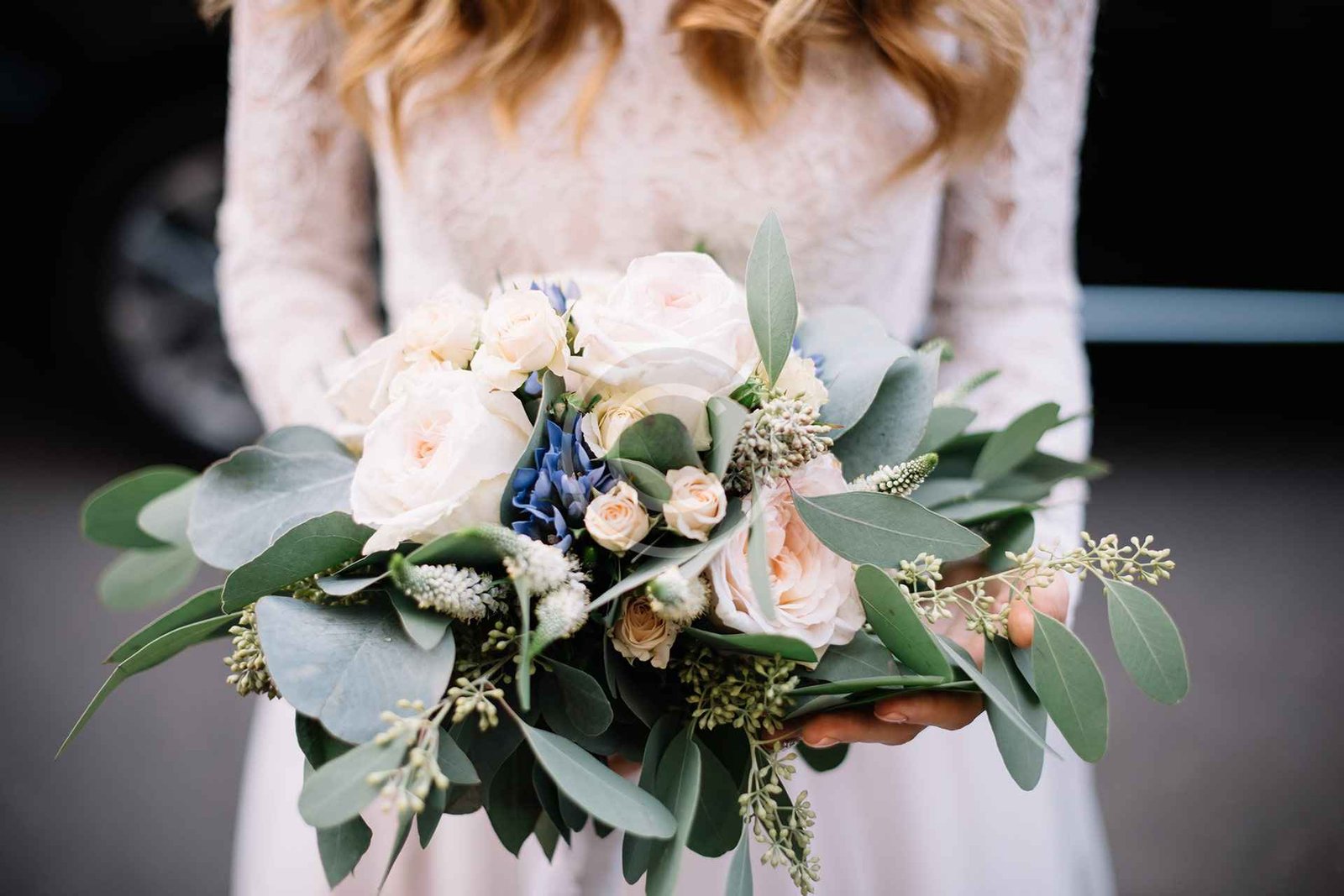
Wedding decorations play a vital role in shaping the atmosphere and emotional experience of the celebration. They transform a simple venue into a personalized space that reflects the couple’s style, story, and cultural traditions. From elegant floral arrangements and lighting to table settings and ceremony backdrops, each decorative element works together to create a cohesive and memorable environment.
Bouquets, Centerpieces & Arrangements
Beyond aesthetics, decorations help guide the flow of the event and highlight key moments, such as the ceremony altar, reception tables, and dance floor. Thoughtfully chosen details can make guests feel welcomed and immersed, turning the occasion into a visually engaging and meaningful experience. Ultimately, wedding decorations are not just about beauty—they set the tone, enhance the mood, and leave a lasting impression on everyone involved.
Work with our florist to make it more romantic, formal, or tailored for a specific type of wedding.
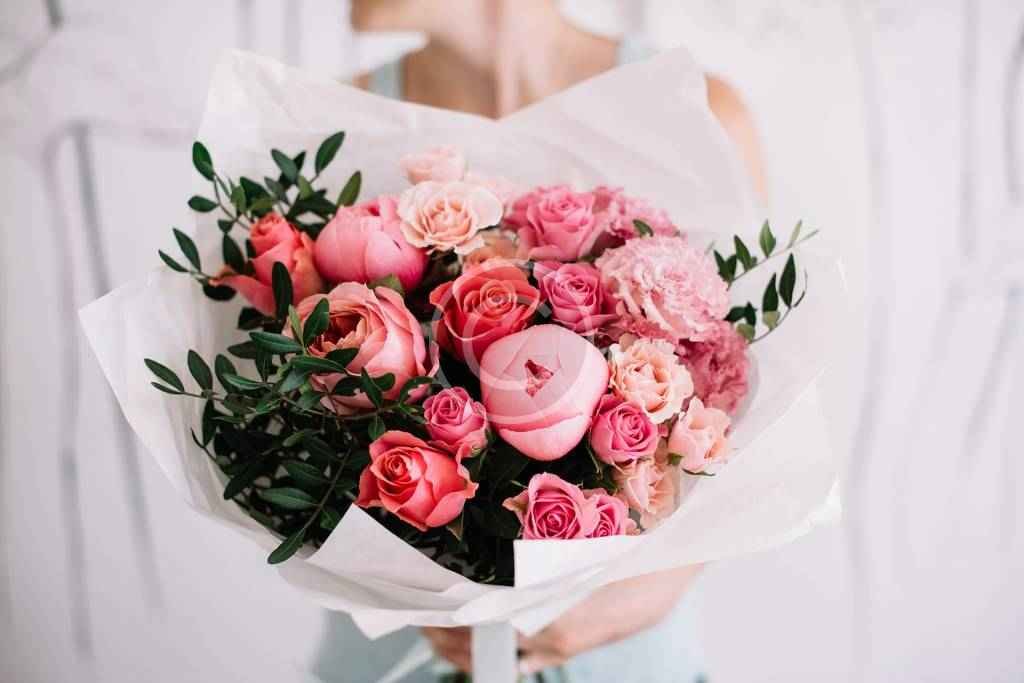
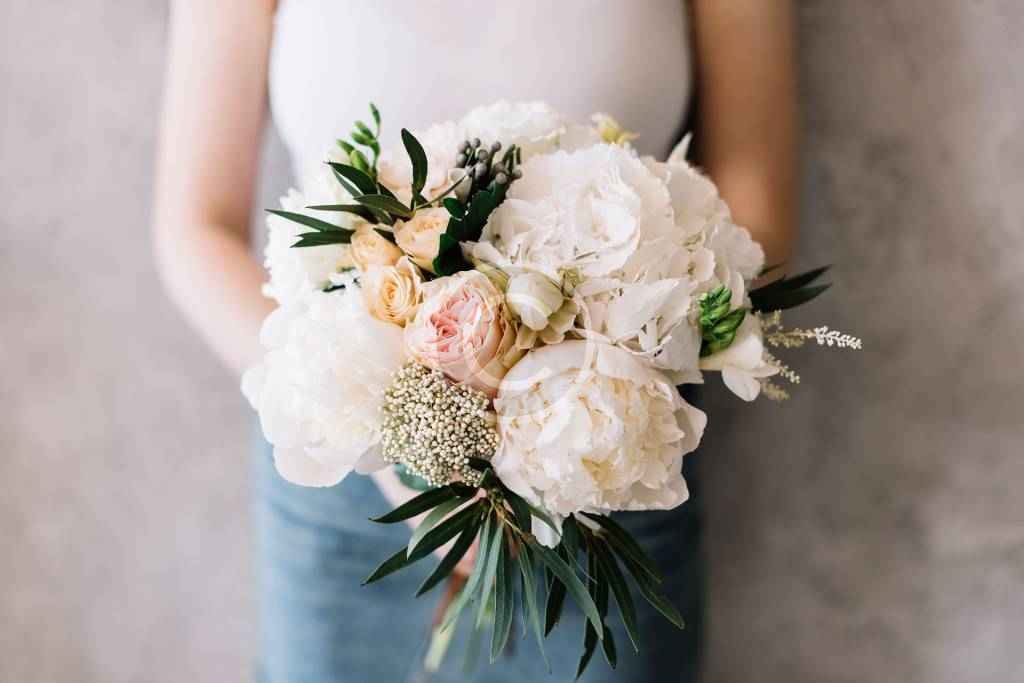
These bouquet styles vary in shape, size, and formality, so couples usually choose one that matches the wedding theme and dress
Common Wedding Bouquet Types
- Round bouquet: A classic, symmetrical bouquet with a neat dome shape. It feels elegant and traditional, often using roses, peonies, or similar blooms.
- Hand-tied bouquet: A loose, natural-looking arrangement that looks freshly gathered from the garden. It works well for romantic, rustic, or outdoor weddings.
- Cascade bouquet: A dramatic bouquet that flows downward like a waterfall. It creates a formal, high-impact look and is often chosen for elegant weddings.
- Posy bouquet: A small, compact bouquet that is easy to hold. It gives a simple, sweet, and refined look.
- Nosegay bouquet: Similar to a posy, but usually tighter and often includes more greenery. It is a popular choice for bridesmaids and smaller wedding arrangements.
- Pageant bouquet: A long-stemmed bouquet carried along the arm rather than held tightly in the hands. It has a stylish, modern feel and suits fashion-forward weddings.
Choose a bouquet that balances your dress rather than competes with it. A dramatic gown usually works best with a simpler bouquet, while a clean, minimalist dress can handle a bolder arrangement.
The right bouquet is important for a wedding because it ties the bride’s look together, matches the venue and overall theme, and helps set the tone for the day. It also matters for comfort, proportion, and practicality, since the bouquet should suit the bride’s size, dress, and the way it will be held throughout the ceremony and photos. In short, the bouquet is not just decoration; it is part of the wedding’s visual identity and personal expression.